EV charging is the process of transferring electrical energy to an electric vehicle (EV) battery so the vehicle can travel.
Understanding EV charging basics helps drivers, businesses, building managers, and communities understand how different charging systems work and what factors influence charging time.
An EV charging system can vary by power level, connector, installation environment, and communication technology. This EV charging overview explains the main types, important features, recent developments, policies, and practical resources in simple language.
Context
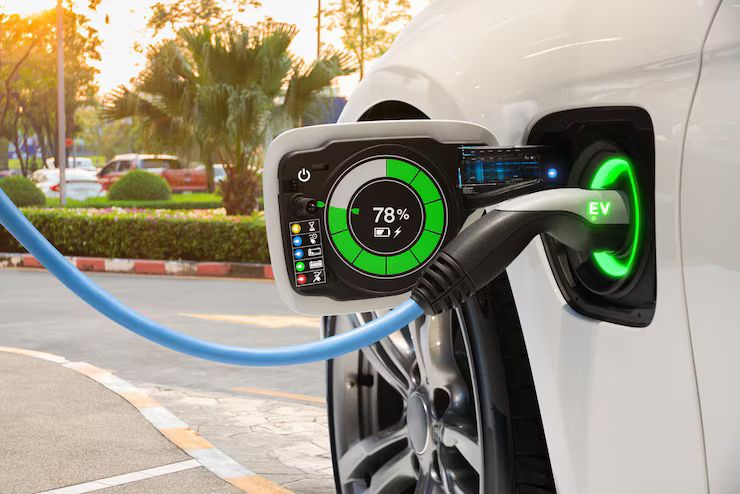
EV charging connects an electric vehicle to an electrical power source through charging equipment. The equipment controls the flow of electricity and, depending on the system, can communicate with the vehicle to manage charging safely.
The main purpose of EV charging is to replenish energy stored in the vehicle battery. Charging can take place at homes, workplaces, public parking areas, highways, commercial locations, and dedicated charging stations.
There are several common categories of EV charging:
| Charging Type | Typical Characteristics | Common Use |
|---|---|---|
| AC charging | Alternating current supplied to the vehicle's onboard charger | Homes, workplaces, parking |
| DC fast charging | Direct current supplied more directly to the battery | Highways, travel corridors |
| Level 1 | Lower-power AC charging | Residential overnight charging |
| Level 2 | Higher-power AC charging | Homes, offices, public locations |
| High-power DC | Higher electrical power for faster charging | Long-distance travel and fleet operations |
Charging speed is influenced by charger power, vehicle battery capacity, battery temperature, charging state, and the vehicle's maximum accepted power. A charger with a higher rated output does not necessarily mean every vehicle will charge at that maximum rate.
Connectors also differ between regions and vehicle types. Common standards include Type 1, Type 2, CCS, CHAdeMO, and other regional systems. Compatibility should therefore be checked before using a particular charging point.
Importance
Reliable EV charging infrastructure is important because electric vehicles depend on access to electrical energy rather than conventional liquid fuels. The availability and location of charging points can influence how easily drivers can use EVs for daily travel and longer journeys.
Charging infrastructure also affects electricity networks. A large number of vehicles charging simultaneously can create additional electrical demand, particularly during periods when overall electricity consumption is already high.
Smart charging can help manage this demand. These systems can adjust charging power according to factors such as grid conditions, electricity demand, vehicle requirements, or programmed schedules.
EV charging matters to several groups:
- EV drivers planning daily or long-distance travel
- Homeowners and apartment residents
- Businesses and building managers
- Fleet operators
- Electricity distribution companies
- Transport planners and local authorities
- Manufacturers of vehicles and charging equipment
Accessibility is another important consideration. Charging locations need suitable parking arrangements, appropriate electrical capacity, clear information, safe operation, and reasonable physical access.
Recent Updates
EV charging technology continues to develop as electric vehicle adoption expands. Recent developments include faster DC charging, improved charging communication, digital monitoring, smart charging, and greater interoperability between vehicles and charging infrastructure.
One important trend is the development of charging systems capable of exchanging information with vehicles and energy-management platforms. This can support dynamic adjustment of charging power and more efficient use of available electrical capacity.
Bidirectional charging is another area receiving attention. In suitable systems, electricity can potentially move from the grid to the vehicle and, under appropriate technical conditions, from the vehicle back toward a building or grid. This is often associated with vehicle-to-home or vehicle-to-grid applications.
Battery technology is also changing. Improvements in battery chemistry, thermal management, and charging controls can influence charging speed and battery performance.
In Europe, the Alternative Fuels Infrastructure Regulation includes requirements concerning publicly accessible charging infrastructure, interoperability, user information, and payment options. The European Commission also states that certain AC charging points installed or renovated from 8 January 2026 must meet specified Type 2 interoperability requirements under the relevant delegated regulation.
Another development is greater attention to heavy-duty EV charging. Electric buses and trucks generally require higher power levels and carefully planned charging locations because of their larger batteries and operational schedules.
Laws or Policies
EV charging rules differ between countries, states, provinces, and municipalities. Regulations can cover electrical installations, safety, metering, accessibility, connector standards, grid connections, building requirements, and public infrastructure.
In India, the Ministry of Power issued the Guidelines for Installation and Operation of Electric Vehicle Charging Infrastructure-2024 on 17 September 2024. The guidelines apply to charging infrastructure in private, semi-restricted, public, highway, and expressway locations.
The Indian guidelines also address electricity connections, charging standards, public charging infrastructure, and grid requirements. They specify provisions for Low Tension connections for charging loads up to 150 kW under the applicable framework.
The guidelines encourage development of charging infrastructure across urban and highway locations. India's Ministry of Power has also stated that EV charging stations do not require a separate electricity distribution license under the Electricity Act, 2003, based on the clarification issued in 2018.
In the European Union, Regulation (EU) 2023/1804, known as the Alternative Fuels Infrastructure Regulation, has applied since 13 April 2024. It establishes requirements for alternative-fuel infrastructure and includes targets for publicly accessible electric recharging infrastructure.
The EU framework also emphasizes interoperability, transparent information, payment options, and digitally connected public charging points. Requirements can differ according to charging power and location.
Because regulations change over time, EV charging projects should be checked against the latest national and local rules before installation or modification.
Tools and Resources
Several types of resources can help people understand EV charging and plan charging infrastructure.
Useful resources include:
- Government transportation and energy departments
- Electricity distribution company websites
- Vehicle manufacturer charging specifications
- Charging-network maps
- EV route-planning applications
- Battery and charging calculators
- Electrical load-planning tools
- Building electrical codes and standards
- Connector and charging-standard documentation
Charging maps can help identify available charging locations and connector types. Vehicle manuals are particularly useful for understanding the maximum AC and DC charging rates supported by a specific vehicle.
For technical planning, electrical load calculations can help determine whether an existing electrical connection has adequate capacity. Larger charging installations may require additional electrical equipment, load management, protection systems, or grid coordination.
Government resources are especially useful for understanding applicable policies. India's Ministry of Power publishes EV charging infrastructure information and guidelines, while the European Commission maintains information about AFIR and related charging requirements.
FAQs
What is EV charging?
EV charging is the process of transferring electrical energy to an electric vehicle battery. It can use AC or DC electricity depending on the charging system and vehicle.
What are the main types of EV charging?
The main categories include Level 1, Level 2, and DC fast charging. The terminology and power ranges can vary by country and technical standard.
How long does EV charging take?
Charging time depends on charger power, battery capacity, battery temperature, battery state of charge, and the maximum charging rate supported by the vehicle.
What is smart EV charging?
Smart EV charging uses communication and control systems to adjust charging according to factors such as electricity demand, grid conditions, schedules, or vehicle requirements.
Are EV charging rules the same everywhere?
No. EV charging regulations vary by country and sometimes by state, province, or municipality. Requirements may cover electrical safety, connectors, metering, accessibility, installation, and public infrastructure.
Conclusion
EV charging is an important part of electric mobility because it connects vehicles with the electrical grid and enables energy to be replenished for everyday and long-distance travel. Understanding charging types, power levels, connectors, charging time, and smart-charging features makes the technology easier to understand.
Recent developments are moving toward faster charging, improved interoperability, digital communication, and better grid management. Government policies in regions such as India and the European Union are also establishing frameworks for safer, more accessible, and more consistent charging infrastructure.
For EV drivers, understanding the charging capability of a vehicle is a useful starting point. For infrastructure planners, electrical capacity, location, safety, interoperability, and applicable regulations are important considerations.
As EV adoption develops, charging infrastructure is likely to remain an important part of transportation and energy planning. Staying informed about technical standards and current regulations can help users understand how EV charging systems operate and how they are evolving.