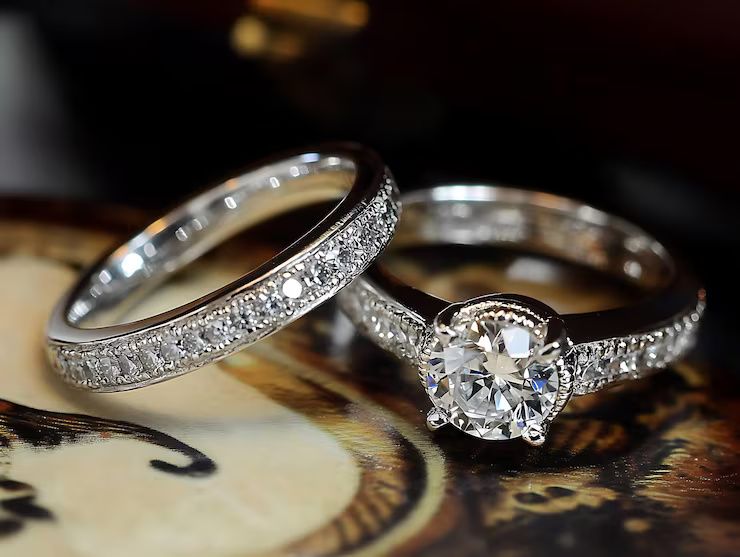
Diamond ring designs reflect a combination of craftsmanship, diamond characteristics, metal choices, and personal style.
From traditional solitaire settings to contemporary geometric patterns, different designs can create distinct visual effects and meanings.
Understanding classic, modern, and unique diamond ring styles can make it easier to recognize their features and differences. This guide explains common design categories, recent developments, relevant regulations, and useful resources in a neutral and educational way.
Context
Diamond rings have a long history in jewellery traditions, with designs changing as cutting techniques, metalworking, and fashion preferences developed. A ring generally consists of a band, a setting, and one or more gemstones. The setting holds the diamond securely while also influencing how much of the stone is visible.
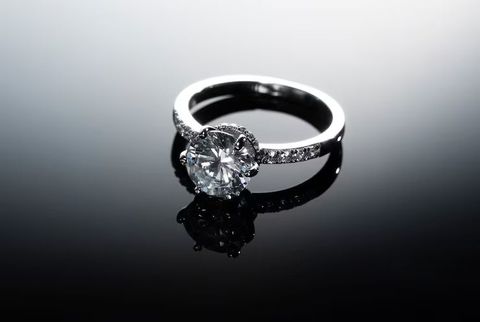
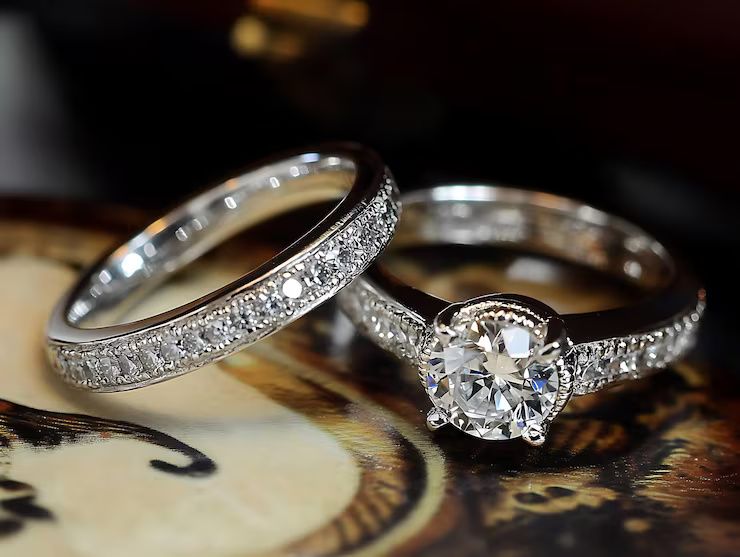
Classic diamond ring designs usually emphasize established forms that have remained popular over many decades. Solitaire rings, three-stone rings, halo designs, and pavé bands are common examples. Their appearance can vary considerably depending on the diamond shape, metal, proportions, and setting details.
Modern diamond ring designs often use cleaner lines, unusual proportions, mixed metals, or alternative arrangements. Unique styles may incorporate asymmetrical layouts, nature-inspired elements, colored gemstones, unusual diamond shapes, or artistic band structures.
Common diamond shapes include:
- Round brilliant
- Princess
- Oval
- Emerald
- Cushion
- Pear
- Marquise
- Radiant
- Asscher
- Heart
The shape refers to the outline of the diamond, while the cut describes how its facets are arranged and how effectively it interacts with light. These are related but different characteristics.
Importance
Understanding diamond ring designs matters because the design affects appearance, durability, maintenance requirements, and how a diamond is presented. Two rings containing diamonds of similar characteristics can look very different because of their settings and proportions.
The information is useful for people researching jewellery traditions, design history, gemstone characteristics, or ring construction. It can also help students and general readers understand terminology used in jewellery documentation.
A ring's design can influence several practical factors:
| Design feature | Main consideration |
|---|---|
| Solitaire setting | Highlights a central diamond |
| Halo setting | Uses surrounding stones to frame the center |
| Three-stone design | Usually features three principal gemstones |
| Pavé setting | Places small stones closely along the band |
| Bezel setting | Surrounds part or all of the diamond with metal |
| Channel setting | Holds stones within a metal channel |
| Split-shank band | Separates the band into multiple sections |
| Vintage-inspired design | Uses historical decorative characteristics |
The choice of metal also changes the visual character of a ring. Platinum, gold, and other jewellery metals have different physical properties, colors, and maintenance considerations. White, yellow, and rose-colored metals can create different contrasts with a diamond.
Recent Updates
Diamond ring design has continued to evolve through digital modelling, improved manufacturing techniques, and changing aesthetic preferences. Computer-aided design allows jewellery designers to develop detailed ring structures before physical production.
Some recent design directions include minimalist bands, elongated diamond shapes, mixed-metal arrangements, hidden design details, and lower-profile settings. These developments do not replace traditional styles; instead, they expand the range of available design approaches.
Technology and Design Development
Computer-aided design and computer-aided manufacturing can improve precision during the development of complex jewellery structures. Three-dimensional modelling can also help designers examine proportions, stone placement, and structural relationships before production.
Laboratory-grown diamonds have also become an important part of the modern diamond industry. They have essentially the same chemical composition and crystal structure as naturally occurring diamonds, although their origin is different. Gemological documentation can identify whether a diamond is laboratory-grown or naturally occurring.
Design trends can also be influenced by:
- Social and cultural preferences
- Changes in diamond shapes and proportions
- Advances in manufacturing technology
- Interest in traceability
- Popularity of vintage-inspired aesthetics
- Growing awareness of gemstone origin
Trends change over time, so a currently popular style may not represent long-term jewellery design preferences.
Laws or Policies
Diamond rings and diamonds are subject to different rules depending on the country where they are produced, imported, documented, or distributed. Regulations can address gemstone disclosure, consumer protection, origin claims, trade restrictions, and documentation.
The Kimberley Process is an international framework intended to prevent rough diamonds associated with conflict from entering legitimate international trade. Participating countries use a certification system for qualifying rough-diamond shipments.
In the United States, the Federal Trade Commission provides guidance concerning jewellery advertising and gemstone disclosures. Such guidance addresses representations about diamonds, treatments, laboratory-grown stones, and other characteristics.
India also has regulations and institutional frameworks covering precious stones and jewellery. The Bureau of Indian Standards operates hallmarking frameworks for certain precious-metal jewellery and articles. Diamond grading and identification are separate from metal hallmarking, so consumers should distinguish between the two concepts.
Relevant documentation may include:
- Diamond grading reports
- Metal purity or hallmark information where applicable
- Laboratory-grown diamond disclosures
- Treatment disclosures when relevant
- Import or origin documentation where required
Rules can change and vary by jurisdiction. Official government and regulatory sources should therefore be consulted when precise legal requirements are needed.
Tools and Resources
Several resources can help readers understand diamond ring designs and gemstone terminology.
Gemological organizations publish educational material covering diamond grading, identification, treatments, and terminology. The Gemological Institute of America provides educational information about diamond characteristics and grading concepts.
Useful resources include:
- Diamond grading reports for documented gemstone characteristics
- Diamond shape charts for comparing outlines
- Ring-size measurement guides
- Jewellery terminology glossaries
- Metal purity and hallmark references
- Computer-aided design software for professional design work
- Jewellery care and maintenance guides
When comparing diamond information, it is useful to distinguish between grading information and marketing descriptions. A grading report can provide standardized information about characteristics such as color, clarity, cut, measurements, and carat weight, depending on the laboratory and report type.
Digital ring-design platforms can also demonstrate how different settings interact with diamond shapes. These tools are particularly useful for learning about proportions and visual structure, although a digital representation may not perfectly reproduce the appearance of a physical ring.
FAQs
What are the most common diamond ring designs?
Common designs include solitaire, halo, three-stone, pavé, bezel, channel, and vintage-inspired rings. Each uses a different approach to positioning and securing gemstones.
What is the difference between a classic and modern diamond ring?
Classic designs generally use established jewellery forms that have remained recognizable over long periods. Modern designs may emphasize simpler geometry, unusual proportions, mixed metals, or contemporary setting structures.
Does diamond shape affect ring design?
Yes. The outline and proportions of a diamond influence the appearance and proportions of the surrounding setting. Round, oval, emerald, pear, and marquise shapes can each create different visual effects.
What information can a diamond grading report provide?
Depending on the laboratory and report, it can document characteristics such as diamond measurements, carat weight, color, clarity, cut information, and other identifying details.
Are laboratory-grown diamonds used in ring designs?
Yes. Laboratory-grown diamonds are used in many types of jewellery designs. They have essentially the same chemical composition and crystal structure as natural diamonds, but their origins are different and should be appropriately disclosed.
Conclusion
Diamond ring designs range from established classic styles to contemporary and highly distinctive arrangements. Understanding diamond shape, setting type, metal, construction, and documentation provides a useful foundation for interpreting the differences between these styles.
Design trends continue to develop alongside advances in jewellery technology and changes in consumer preferences. Regardless of style, accurate terminology and reliable documentation are important when evaluating information about diamonds and jewellery.
Readers researching diamond rings can begin with basic design categories before exploring diamond shapes, setting structures, metals, grading terminology, and applicable regulations. Official regulatory and gemological resources are useful for verifying technical information.