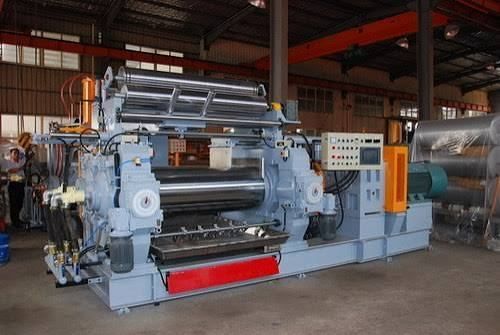
Rubber processing machinery includes equipment used to prepare, mix, shape, heat, cure, and finish natural or synthetic rubber. These machines support many industrial processes, including compounding, extrusion, calendering, molding, vulcanization, recycling, and product finishing.
Understanding rubber processing machinery helps explain how raw rubber compounds are transformed into products such as tires, hoses, seals, belts, sheets, footwear components, and other molded rubber products. Different machines perform specific functions, so equipment selection depends on the material, product design, production method, and required processing conditions.
Context – Explore Rubber Processing Machinery Basics
Rubber processing generally begins with raw rubber and selected additives. The materials are combined to achieve specific physical and processing characteristics before the compound moves through shaping and curing stages.
Common rubber processing machinery includes internal mixers, two-roll mills, extruders, calenders, compression molding machines, injection molding machines, vulcanizing equipment, and rubber recycling systems.
| Machinery Type | Main Function | Common Application |
|---|---|---|
| Internal Mixer | Compound mixing | Rubber compounds |
| Two-Roll Mill | Milling and blending | Sheet and compound preparation |
| Extruder | Continuous shaping | Tubes, profiles, tread |
| Calender | Sheet formation | Rubber sheets and coated materials |
| Compression Molding Machine | Molded shaping | Seals and components |
| Injection Molding Machine | Controlled mold filling | Precision rubber parts |
| Vulcanizing Equipment | Curing | Strength and elasticity development |
| Recycling Machinery | Size reduction and recovery | Used rubber processing |
The processing sequence varies according to the final product. A tire compound, for example, may require mixing, milling, extrusion, calendering, assembly, and curing, while a molded seal may follow a different sequence.
Importance – Why Rubber Processing Equipment Matters
Rubber processing machinery affects several important characteristics of production, including temperature control, material consistency, dimensional accuracy, curing conditions, and repeatability.
For manufacturers, engineers, maintenance teams, and students, understanding the role of each machine makes it easier to interpret production workflows and technical specifications.
Important factors include:
- Rubber type and compound formulation
- Required temperature and pressure
- Product dimensions and shape
- Mixing and dispersion requirements
- Curing method and cycle
- Material handling and feeding
- Machine safety and guarding
- Air emissions and workplace conditions
Poor process control can contribute to inconsistent dimensions, inadequate mixing, surface defects, or incomplete curing. Modern equipment therefore commonly incorporates sensors, programmable controls, temperature monitoring, and automated process controls.
Recent Updates – Modern Rubber Processing Methods
Modern rubber processing increasingly focuses on process monitoring, automation, energy management, material recovery, and data collection. Digital controls can monitor variables such as temperature, pressure, speed, torque, and cycle time.
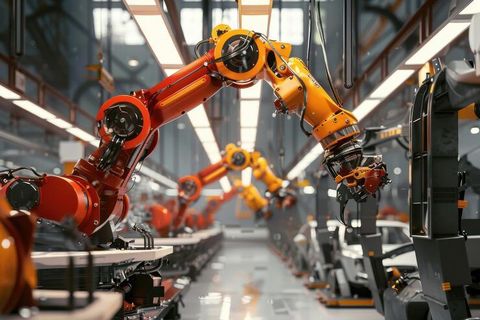
Automation can also connect individual processing stages. For example, material feeding, mixing, extrusion, and inspection may be coordinated through programmable control systems.
Another important development is greater attention to rubber recycling. Scrap rubber can be processed through shredding, grinding, separation, and other recovery methods. Some recycling approaches also involve devulcanization, where selected processing methods are used to alter the crosslinked structure of vulcanized rubber so that recovered material can be incorporated into new compounds.
Modern machinery may also use sensors and process data to identify changes during production. These systems can support preventive maintenance and process monitoring by identifying unusual temperature, pressure, vibration, or power patterns.
Environmental controls remain important as well. Rubber processing can generate particulate matter and chemical emissions, particularly during compounding, milling, and other high-temperature processes.
Laws or Policies – Safety and Environmental Rules
Rubber processing facilities may be subject to different laws depending on their country, location, processes, emissions, chemicals, and workforce.
In the United States, the Occupational Safety and Health Administration (OSHA) has specific requirements for mills and calenders used in rubber and plastics industries. OSHA Standard 1910.216 includes requirements related to machine installation and safety trip controls around mills.
General machine-guarding requirements are also contained in OSHA Subpart O.
Environmental regulation is another important area. The U.S. Environmental Protection Agency (EPA) regulates certain rubber tire manufacturing activities under the National Emission Standards for Hazardous Air Pollutants (NESHAP). The current EPA regulatory information states that amendments finalized in 2024 were revoked in June 2025, leaving the July 2020 final rule as the applicable rule.
The 2020 EPA rule addressed hazardous air pollutants associated with rubber tire manufacturing and included provisions concerning startup, shutdown, malfunction, and electronic reporting.
Requirements differ across jurisdictions, so facilities should consult the applicable national, regional, and local authorities before interpreting regulatory obligations.
Tools and Resources – Useful Rubber Industry Information
Several technical resources can help readers understand rubber processing machinery and related requirements.
Useful categories include:
- Machinery operating manuals and technical documentation
- Rubber compound formulation references
- Industrial safety standards
- Environmental regulatory databases
- Process-control documentation
- Maintenance schedules and inspection records
- Material safety documentation
- Engineering calculation references
For U.S. facilities, OSHA regulations provide information about machine guarding and rubber mill and calender safety.
EPA's rubber tire manufacturing regulatory pages provide information about NESHAP requirements, regulatory history, compliance materials, and related documents.
Technical education resources can also help beginners understand important concepts such as mastication, compounding, dispersion, extrusion, vulcanization, and polymer crosslinking.
FAQs – Rubber Processing Machinery Questions
What is rubber processing machinery?
Rubber processing machinery refers to industrial equipment used to mix, shape, heat, cure, finish, or recycle rubber compounds. Different machines perform different stages of the overall process.
What machine is used for rubber mixing?
Internal mixers and two-roll mills are commonly used for rubber mixing and compound preparation. The selected equipment depends on the compound, batch requirements, and processing method.
What does a rubber extruder do?
A rubber extruder continuously pushes a prepared rubber compound through a shaped die. This creates continuous products such as profiles, tubes, strips, and certain tire components.
What is vulcanization?
Vulcanization is a chemical and thermal process that creates crosslinks within rubber. It changes the material's physical properties, including elasticity, strength, and resistance to deformation.
Can rubber processing machinery support recycling?
Yes. Recycling systems can include shredders, granulators, grinders, separators, and other equipment. Some processes also use devulcanization techniques to modify vulcanized rubber for subsequent material applications.
Conclusion – Rubber Processing Machinery Overview
Rubber processing machinery forms an important part of the industrial workflow used to convert rubber compounds into finished products. Internal mixers, mills, extruders, calenders, molding machines, and curing equipment each perform distinct functions within this process.
Modern developments are increasingly connected with automation, process monitoring, recycling, energy management, and environmental controls. Understanding the purpose and operating principles of each machine provides useful knowledge for engineers, technical learners, manufacturers, and other people studying rubber processing.
The regulatory environment also matters because machinery safety, workplace protection, emissions, and chemical handling can be subject to specific requirements. Regulations vary by location, so current government sources should be consulted when evaluating compliance requirements.