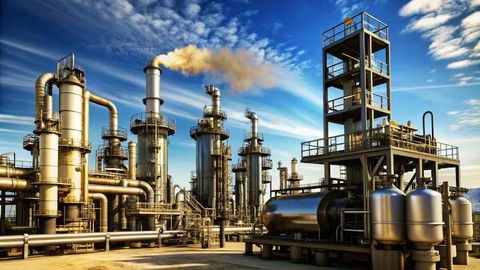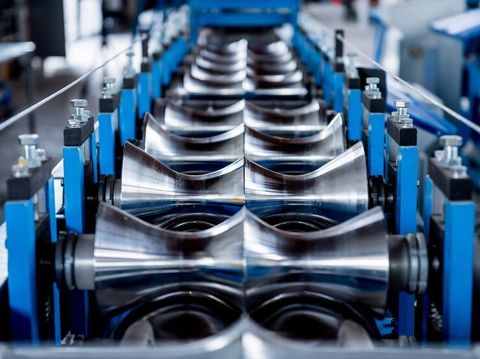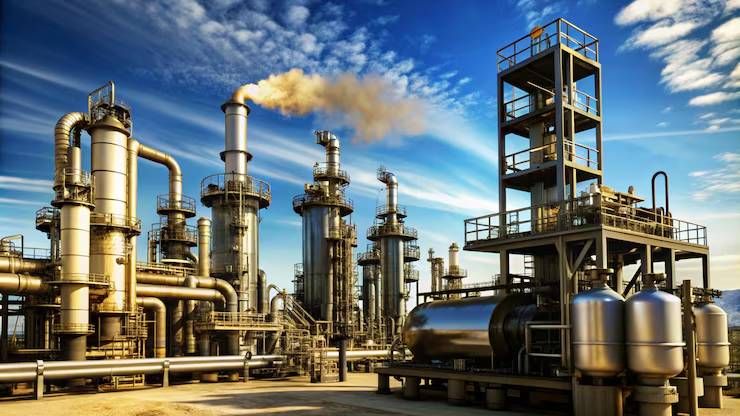
Petrochemical machinery includes the equipment and industrial systems used to process hydrocarbons and convert petroleum-based feedstocks into useful chemical products. These systems can include reactors, heat exchangers, compressors, pumps, separators, storage equipment, filtration units, and process-control systems.
Understanding petrochemical machinery resources helps readers learn how industrial processing systems work, where different equipment types are used, and which technical factors influence safe and efficient plant operation. This guide provides an overview of the main equipment categories, recent developments, regulatory considerations, and useful technical resources.
Context
Petrochemical processing involves several stages in which hydrocarbon feedstocks are separated, heated, cooled, compressed, reacted, purified, and transferred. Machinery must work together as part of an integrated process rather than as isolated equipment.
Common petrochemical machinery includes process pumps, compressors, distillation columns, reactors, heat exchangers, pressure vessels, storage tanks, valves, pipelines, filtration systems, and instrumentation. Each component has a specific function within a processing system.
The selection and configuration of equipment depend on factors such as feedstock characteristics, operating temperature, pressure, chemical composition, throughput, corrosion conditions, and required product specifications.
| Machinery Type | Main Function | Common Application |
|---|---|---|
| Pumps | Move liquids | Feed and transfer systems |
| Compressors | Increase gas pressure | Gas processing |
| Heat Exchangers | Transfer heat | Heating and cooling |
| Reactors | Enable chemical reactions | Chemical conversion |
| Distillation Columns | Separate components | Fractionation |
| Pressure Vessels | Contain process fluids | Processing systems |
| Filtration Units | Remove particles | Fluid purification |
| Control Systems | Monitor processes | Plant automation |
Petrochemical machinery resources may include technical standards, engineering references, equipment manuals, process diagrams, maintenance documentation, and regulatory publications. These materials help engineers, operators, students, and researchers understand industrial processing systems.
Importance
Petrochemical machinery is important because processing plants depend on coordinated mechanical, thermal, electrical, and control systems. A change in one part of a process can influence pressure, temperature, flow, energy consumption, and equipment performance elsewhere.
Equipment reliability also has a direct relationship with plant safety. Pumps, compressors, vessels, pipelines, and valves operate under demanding conditions and may handle flammable, corrosive, toxic, or high-pressure materials.
Several groups use information about petrochemical machinery:
- Process and mechanical engineers
- Plant operators and technicians
- Maintenance and reliability teams
- Equipment manufacturers and researchers
- Students studying chemical or mechanical engineering
- Regulatory and environmental professionals
Important technical considerations include material compatibility, pressure ratings, temperature limits, corrosion resistance, vibration, lubrication, sealing, inspection requirements, and process-control accuracy.
Modern plants increasingly use sensors and digital monitoring to collect operating information. Data from equipment can help identify unusual vibration, temperature changes, pressure variations, or other conditions that may require investigation.
Recent Updates
Petrochemical processing has been influenced by developments in automation, digital monitoring, energy management, and emissions control. Industrial facilities increasingly combine traditional mechanical equipment with advanced instrumentation and data systems.
One important development is the use of condition monitoring. Sensors can collect information about vibration, temperature, pressure, flow, and other operating parameters. Analytical systems can then help identify patterns that may indicate equipment deterioration.
Digital twins are another area of development. A digital twin can represent physical equipment or a process using digital models and operational data. Depending on the implementation, such systems can support engineering analysis, process monitoring, and maintenance planning.
Energy efficiency is also receiving greater attention. Heat recovery systems, improved insulation, variable-speed drives, optimized compressors, and advanced process controls can influence the energy requirements of industrial facilities.
Current technical developments commonly include:
- Industrial Internet of Things monitoring
- Automated process control
- Predictive maintenance techniques
- Advanced process simulation
- Heat-recovery systems
- Emissions monitoring
- Improved corrosion monitoring
- Digital equipment documentation
These developments do not replace fundamental engineering principles. Equipment still needs appropriate design, inspection, operation, and maintenance based on its physical and chemical operating conditions.
Laws or Policies
Petrochemical facilities are subject to different laws, technical standards, environmental requirements, and workplace safety rules depending on their location and process characteristics. Regulations may address pressure equipment, hazardous materials, emissions, wastewater, fire protection, worker safety, and industrial waste.
International engineering standards are also widely referenced in petrochemical projects. Organizations such as the American Petroleum Institute, ASME, IEC, ISO, and NFPA publish standards or technical documents covering various aspects of equipment design, inspection, electrical systems, process safety, and fire protection.
In India, petrochemical facilities may need to consider requirements from authorities and frameworks related to environmental protection, occupational safety, hazardous chemicals, pressure equipment, and industrial operations. Requirements can vary according to the facility, substance, process, and jurisdiction.
Before applying any technical requirement, users should check the current edition of the applicable regulation or standard. Engineering decisions should be based on the actual operating conditions and the requirements applicable to the specific facility.
Tools and Resources
Reliable technical resources can help readers understand petrochemical machinery and industrial processing systems. Useful categories include engineering standards, technical databases, equipment documentation, process simulation tools, and educational references.
Common resources include:
- API publications for petroleum and petrochemical equipment topics
- ASME codes and standards for mechanical and pressure equipment
- IEC standards for electrical and industrial control systems
- ISO standards covering industrial and management practices
- NFPA publications covering fire and process-related safety
- Government environmental and workplace-safety portals
- Process simulation and engineering-analysis software
- Equipment drawings, manuals, datasheets, and maintenance records
When researching a specific machine, useful information may include equipment capacity, pressure range, temperature range, materials of construction, dimensions, power requirements, maintenance intervals, inspection procedures, and applicable standards.
Technical calculators can also assist with engineering studies involving pressure, flow, heat transfer, pump performance, compressor calculations, and unit conversions. Results from calculators should be reviewed against appropriate engineering methods and applicable standards.
FAQs
What is petrochemical machinery?
Petrochemical machinery refers to mechanical and process equipment used in facilities that process petroleum-derived feedstocks and produce chemicals or refined hydrocarbon products.
What equipment is commonly used in petrochemical plants?
Common equipment includes pumps, compressors, heat exchangers, reactors, distillation columns, pressure vessels, storage tanks, filtration systems, valves, pipelines, and control instrumentation.
Why are heat exchangers important in petrochemical processing?
Heat exchangers transfer thermal energy between process streams. They can be used for heating, cooling, condensation, vaporization, and heat recovery within industrial processes.
How does automation affect petrochemical machinery?
Automation allows sensors, control systems, and software to monitor and regulate process variables such as temperature, pressure, flow, and equipment conditions. It can support consistent process control and operational monitoring.
Which standards are relevant to petrochemical equipment?
The applicable standards depend on the equipment and facility. API, ASME, IEC, ISO, and NFPA publications are among the technical references frequently used in petroleum, chemical, mechanical, electrical, and safety-related applications.
Conclusion
Petrochemical machinery forms the mechanical foundation of many industrial processing systems. Pumps, compressors, reactors, heat exchangers, separation equipment, vessels, pipelines, and control systems work together to handle complex processing operations.
Understanding equipment functions, operating conditions, technical standards, and monitoring approaches provides useful knowledge for students, engineers, operators, researchers, and other readers studying petrochemical processing.
The field continues to develop through automation, digital monitoring, energy-efficiency technologies, emissions management, and improved equipment diagnostics. At the same time, established engineering principles, inspection practices, safety requirements, and applicable regulations remain important for responsible industrial operation.