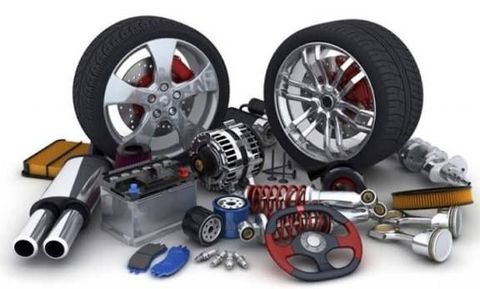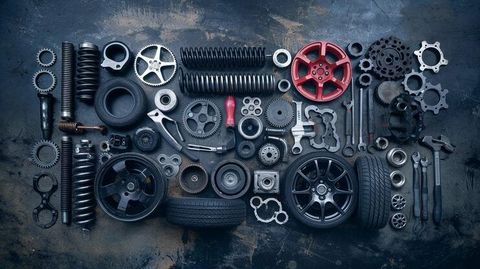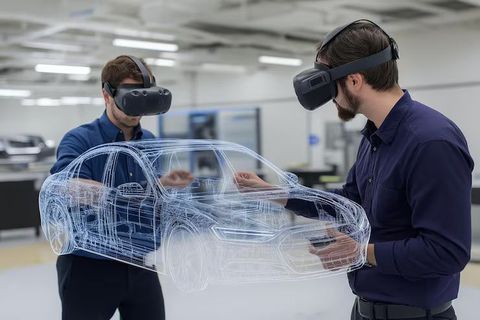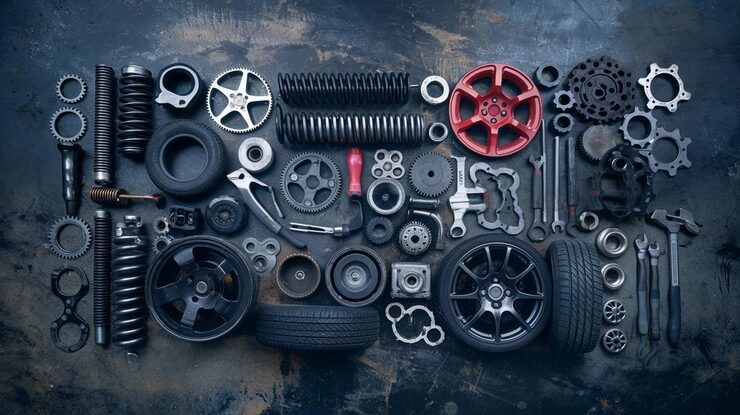
Automotive parts are the physical components that allow a vehicle to move, stop, steer, communicate, manage energy, and protect occupants. They range from familiar items such as brakes, tyres, batteries, and filters to advanced components such as electronic control units, radar sensors, electric motors, and high-voltage battery systems.
Understanding automotive parts can help drivers, students, technicians, and general readers learn how major vehicle systems work together. This guide explains common types, functions, modern developments, regulatory considerations, and useful resources in a simple and factual way.
Context – Understanding Automotive Parts
Automotive parts are commonly grouped according to the vehicle system in which they operate. A conventional vehicle may contain thousands of individual components, while hybrid and electric vehicles add specialised electrical and electronic systems.
| Vehicle system | Examples of automotive parts | Main function |
|---|---|---|
| Engine | Pistons, valves, crankshaft | Converts fuel energy into mechanical motion |
| Transmission | Gears, shafts, clutch | Transfers and manages engine power |
| Braking | Brake discs, pads, calipers | Slows or stops the vehicle |
| Steering | Steering rack, column, joints | Controls vehicle direction |
| Suspension | Springs, dampers, control arms | Supports the vehicle and manages wheel movement |
| Electrical | Battery, alternator, wiring | Supplies and distributes electrical energy |
| Electronics | Sensors, ECUs, cameras | Monitors and controls vehicle functions |
| EV systems | Battery pack, inverter, electric motor | Stores, converts, and uses electrical energy |
Automotive parts can also be classified as mechanical, electrical, electronic, structural, fluid-handling, or safety-related components. Their design depends on vehicle type, engine or propulsion system, operating conditions, and applicable technical requirements.
Importance – Why Automotive Parts Matter
Every major vehicle function depends on coordinated components. A braking system, for example, uses several parts that work together to convert driver input into controlled braking force. Similarly, steering, suspension, tyres, and electronic stability systems interact to influence vehicle behaviour.
The condition and compatibility of individual parts can affect:
- Vehicle safety and control
- Energy efficiency
- Emissions performance
- Passenger protection
- Reliability and durability
- Diagnostic accuracy
- Electronic system operation
Modern vehicles increasingly depend on communication between mechanical and electronic systems. Sensors can measure speed, temperature, pressure, position, acceleration, and other conditions. Electronic control units then process this information and adjust particular vehicle functions.
For electric and hybrid vehicles, understanding automotive parts also requires knowledge of battery systems, power electronics, electric motors, charging components, thermal management, and high-voltage safety.
Recent Updates – Trends in Automotive Technology
Automotive technology is developing toward greater electrification, connectivity, automation, and electronic control. These changes are influencing the design of automotive parts and the way different systems interact.
Electric vehicles use high-voltage battery packs, inverters, electric motors, charging hardware, battery-management systems, and thermal-management components. Hybrid vehicles combine electric propulsion with an internal-combustion engine and therefore contain elements from both architectures.
Advanced driver-assistance systems also depend on increasingly sophisticated components. Cameras, radar sensors, ultrasonic sensors, processors, and electronic control units can support functions such as lane assistance, collision warnings, adaptive cruise control, and automated emergency braking.
UNECE's vehicle-regulation framework continues to develop rules covering safety, environmental performance, automated driving, electrified vehicles, and other technologies. In 2026, UNECE reported new regulatory developments involving autonomous vehicles, tyre abrasion, brake-particle emissions, vehicle pollution monitoring, and electric-truck batteries.
Software is another important part of modern vehicle architecture. Diagnostics, electronic control, cybersecurity, connected functions, and software updates increasingly influence how automotive parts operate as a complete system.
Laws or Policies – Automotive Parts Regulations
Automotive parts are subject to different rules depending on the country, vehicle category, and component. Regulations can address braking, lighting, glazing, tyres, occupant protection, emissions, electronic systems, and other safety or environmental characteristics.
In the United States, the National Highway Traffic Safety Administration administers Federal Motor Vehicle Safety Standards, which are contained in Title 49, Part 571 of the Code of Federal Regulations. These standards cover areas including brakes, windshield wipers, crashworthiness, and fuel integrity.
Internationally, UNECE Working Party 29 develops technical regulations for wheeled vehicles, equipment, and parts. Its framework addresses safety and environmental performance and includes regulations relevant to conventional, hybrid, electric, and automated vehicles.
Requirements differ between jurisdictions, so vehicle owners and organisations should consult the applicable national authority and the technical documentation for the specific vehicle and component.
Tools and Resources – Learning About Vehicle Components
Several resources can help readers understand automotive parts and vehicle systems.
- Manufacturer technical manuals can explain component locations, specifications, and system relationships.
- Vehicle identification information can help identify the correct vehicle configuration.
- Diagnostic scan tools can read electronic fault information on compatible vehicles.
- NHTSA provides U.S. vehicle safety regulations, recalls, safety information, and vehicle-rating resources.
- UNECE provides international vehicle regulations, global technical regulations, and information about emerging automotive technologies.
- Engineering textbooks and technical databases can provide explanations of mechanical, electrical, and electronic systems.
When researching a particular automotive part, useful information includes its system, operating principle, material, dimensions, electrical characteristics, compatibility requirements, and relevant regulatory specifications.
FAQs – Common Questions About Automotive Parts
What are the main types of automotive parts?
Major categories include engine, transmission, braking, steering, suspension, electrical, electronic, body, safety, thermal-management, and exhaust components. Electric vehicles also use specialised battery, inverter, motor, and charging components.
What do electronic automotive parts do?
Electronic components monitor vehicle conditions, process information, communicate between systems, and control functions. Sensors and electronic control units are central to many modern vehicle systems.
How are EV parts different from conventional vehicle parts?
Electric vehicles generally use battery packs, electric motors, inverters, charging systems, and battery-management electronics instead of relying on an internal-combustion engine and its associated fuel and exhaust systems.
Why are automotive parts regulated?
Regulations help establish requirements related to vehicle safety, environmental performance, and technical characteristics. The exact requirements depend on the jurisdiction and component.
Where can I learn more about vehicle regulations?
Official national transportation authorities and international organisations such as UNECE provide regulatory documents and technical information. Manufacturer documentation can also provide vehicle-specific information.
Conclusion – Automotive Parts and Modern Vehicles
Automotive parts form interconnected systems that control propulsion, braking, steering, comfort, safety, energy management, and communication. Learning how individual components work together provides a useful foundation for understanding both conventional and modern vehicles.
The automotive industry is increasingly combining mechanical engineering with electronics, software, electrification, and automated-driving technology. As these systems develop, knowledge of automotive parts will remain important for understanding vehicle operation, regulations, diagnostics, and emerging transportation technologies.