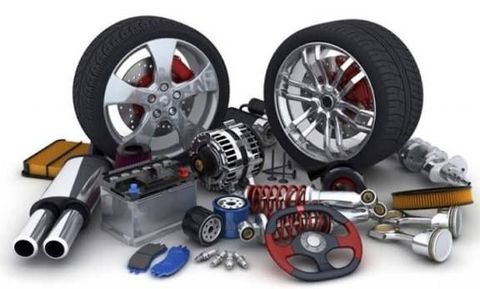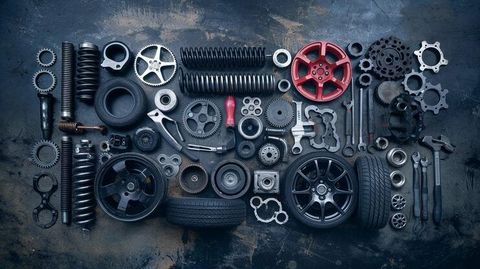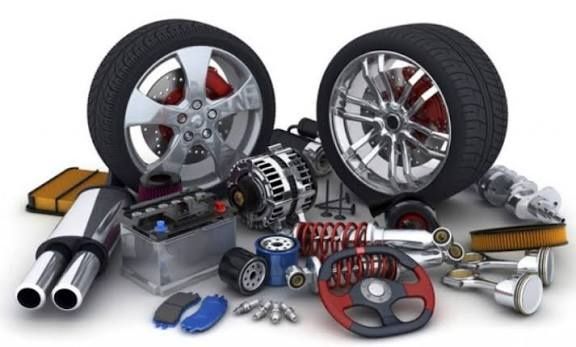
Car accessories are additional items designed to improve a vehicle’s comfort, organization, appearance, convenience, safety, or everyday usability.
From phone holders and floor mats to dash cameras and tire-pressure monitors, car accessories cover a wide range of products and technologies.
Understanding the different types of car accessories can help vehicle owners choose appropriate equipment for their needs. This guide explains the background, importance, recent developments, regulations, and useful resources related to car accessories.
Context
Car accessories have been part of automotive culture for decades. Early accessories focused mainly on practical needs such as storage, seating comfort, weather protection, lighting, and basic vehicle organization. As vehicle technology developed, accessories expanded into electronic and connected devices.
Today, car accessories can be divided into several broad groups. Interior accessories include seat covers, floor mats, organizers, sunshades, steering-wheel covers, and phone mounts. Exterior accessories include protective covers, roof racks, mud flaps, trim components, and lighting equipment.
Technology has created another major category. Dash cameras, wireless charging mounts, parking sensors, tire-pressure monitoring devices, navigation equipment, and connected diagnostic tools are increasingly associated with modern vehicles.
The purpose of an accessory depends on its design. Some products are intended to improve convenience, while others support organization, visibility, monitoring, or protection. Compatibility is an important consideration because vehicles differ in dimensions, electrical systems, mounting points, and manufacturer specifications.
| Accessory Category | Common Examples | Main Purpose |
|---|---|---|
| Interior | Floor mats, organizers, seat covers | Comfort and organization |
| Exterior | Roof racks, mud flaps, protective covers | Utility and protection |
| Electronic | Dash cameras, chargers, sensors | Monitoring and convenience |
| Safety | Warning triangles, emergency kits | Preparedness |
| Travel | Storage boxes, cargo organizers | Carrying and organization |
| Maintenance | Tire gauges, diagnostic tools | Vehicle monitoring |
Some accessories are universal, while others are designed for particular vehicle models. Before using any accessory, it is important to check its dimensions, electrical requirements, mounting method, and compatibility with the vehicle.
Importance
Car accessories can influence how people interact with their vehicles during daily travel. A well-designed organizer can make the cabin easier to manage, while a suitable phone mount can provide a stable location for navigation when used according to local driving rules.
Safety-related accessories can also support preparedness. Items such as reflective warning devices, first-aid materials, emergency lights, and tire-pressure gauges can be useful during unexpected situations. However, an accessory should not be considered a replacement for proper vehicle maintenance or responsible driving.
Vehicle owners, families, commuters, professional drivers, and people who frequently travel long distances may have different accessory requirements. Climate and road conditions can also influence the choice of equipment. For example, sunshades may be useful in areas with strong sunlight, while weather-resistant floor protection may be practical in regions with frequent rain.
When selecting an accessory, several factors deserve attention:
- Vehicle make, model, and production year
- Compatibility with existing equipment
- Installation requirements
- Electrical specifications
- Material quality and durability
- Visibility and driver-access considerations
- Local transportation regulations
- Manufacturer instructions
Accessories should not obstruct airbags, pedals, steering controls, mirrors, windows, or other safety-critical components.
Recent Updates
The car accessories sector has increasingly incorporated connected technology. Modern dash cameras may include GPS information, parking monitoring, high-definition recording, and smartphone connectivity. Some devices can transfer recorded information through wireless networks or companion applications.
Wireless charging has also become more common. Charging mounts can combine phone placement with power delivery, although compatibility varies between smartphones, cases, charging standards, and vehicle systems.
Another development is the increasing use of compact vehicle diagnostic equipment. Certain devices can read information from compatible onboard diagnostic systems and display selected vehicle information. The information available depends on the vehicle manufacturer, model, diagnostic system, and device.
Lighting technology has also changed considerably. LED-based lighting is widely used in automotive applications because of its efficiency and compact design. However, additional lighting must comply with applicable road regulations because inappropriate placement, brightness, color, or flashing patterns can create safety concerns.
Storage accessories continue to evolve as well. Modular organizers, collapsible containers, roof storage systems, and cargo management equipment are designed to make better use of limited vehicle space.
Smartphone integration is another important trend. Modern vehicles increasingly support systems that connect mobile devices with vehicle displays. This has reduced the need for some standalone navigation equipment while creating new requirements for safe device placement.
Laws or Policies
Car accessory regulations vary between countries, states, and local transportation authorities. Vehicle owners should check the rules applicable to their location before installing equipment that affects lighting, visibility, dimensions, registration details, or vehicle structure.
In India, the Motor Vehicles Act and associated Central Motor Vehicle Rules provide the broader legal framework for road vehicles. Additional rules and enforcement practices can vary by state and local authority.
Some modifications may require particular specifications or approval. Changes involving vehicle lighting, registration plates, glass visibility, structural components, exhaust equipment, or external dimensions may be subject to specific requirements.
Electronic accessories also require careful installation. Devices connected to a vehicle’s electrical system should follow manufacturer specifications to reduce the possibility of electrical faults. Poorly installed wiring can interfere with vehicle components or create safety risks.
Dash cameras and other recording devices may raise privacy considerations depending on how recordings are collected, stored, shared, or published. Vehicle owners should consider applicable privacy and data-protection rules when using connected equipment.
A useful general approach is to:
- Read the vehicle manufacturer’s instructions.
- Check applicable transportation regulations.
- Confirm that accessories do not obstruct safety equipment.
- Use appropriate electrical connections.
- Keep documentation for specialized equipment.
- Inspect installed accessories regularly.
Rules can change over time, so official government transportation websites should be consulted for current requirements.
Tools and Resources
Several resources can help people research car accessories and understand compatibility.
Vehicle owner manuals are among the most useful sources because they contain information about dimensions, electrical systems, recommended equipment, mounting locations, warning systems, and operating limitations.
Government transportation portals can provide information about vehicle regulations, road-safety requirements, registration rules, and permitted modifications. Manufacturer websites and technical documentation can also help identify compatible accessories and installation specifications.
Useful research resources include:
- Vehicle owner manuals
- Manufacturer technical documentation
- Government transportation portals
- Road-safety organizations
- Tire-pressure information guides
- Vehicle compatibility databases
- Diagnostic tool documentation
- Installation manuals
- Product specification sheets
Simple comparison tables or personal checklists can also make research easier. Before choosing an accessory, users can record the vehicle model, required dimensions, power requirements, installation method, and relevant legal restrictions.
For electronic accessories, checking voltage requirements and connector types is particularly important. For physical accessories, measurements should be compared carefully with the vehicle’s available space.
FAQs
What are the main types of car accessories?
The main categories include interior accessories, exterior accessories, electronic equipment, safety items, travel and storage equipment, and maintenance tools. Each category serves different practical purposes.
How do I choose compatible car accessories?
Start with the vehicle make, model, production year, dimensions, and manufacturer specifications. For electronic equipment, also check voltage, connectors, communication standards, and installation requirements.
Are all car accessories legal to use?
No. Regulations vary according to location and accessory type. Equipment affecting lighting, visibility, registration plates, vehicle dimensions, or structural components may be subject to specific rules.
Can electronic car accessories affect a vehicle?
Yes. Devices connected to a vehicle’s electrical system can affect power consumption or other electronic components if they are incorrectly installed. Following manufacturer instructions is important.
Which car accessories are useful for long journeys?
Useful options can include cargo organizers, phone mounts that comply with driving rules, tire-pressure gauges, emergency warning equipment, sunshades, and suitable charging equipment. The appropriate choices depend on the vehicle and travel conditions.
Conclusion
Car accessories cover a broad range of practical, technological, comfort, organization, and safety-related equipment. Their usefulness depends on vehicle compatibility, correct installation, appropriate use, and compliance with applicable regulations.
Understanding specifications and local rules can help vehicle owners make informed decisions. Official vehicle documentation and government transportation resources are valuable references when researching accessories.
A careful approach is especially important for accessories that connect to electrical systems or affect visibility, lighting, vehicle dimensions, or safety equipment.
As automotive technology continues to develop, car accessories are likely to become increasingly connected with digital systems, mobile devices, and vehicle electronics. Staying informed about compatibility, functionality, and regulations can help users understand these developments responsibly.