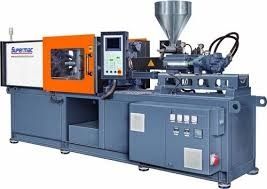
Injection molding machines are important industrial systems used to create plastic parts with consistent shapes and dimensions. They work by heating plastic material until it becomes sufficiently fluid, placing it into a mold under controlled pressure, and allowing the material to cool and form the required shape.
This guide explains injection molding machines, their basic operating principles, industrial applications, recent developments, relevant regulations, and useful learning resources. It is intended for readers who want a clear introduction to injection molding technology and its role in modern industrial production.
Context – Understanding Injection Molding Machines
Injection molding is a manufacturing process used to produce plastic components in a wide range of shapes and sizes. The process is based on transferring heated plastic into a mold cavity, where it cools and becomes a solid component.
An injection molding machine generally combines a material feeding system, heating unit, injection mechanism, mold clamping system, hydraulic or electric drive system, and control system. Each component has a specific role in maintaining controlled production conditions.
The basic process usually follows these stages:
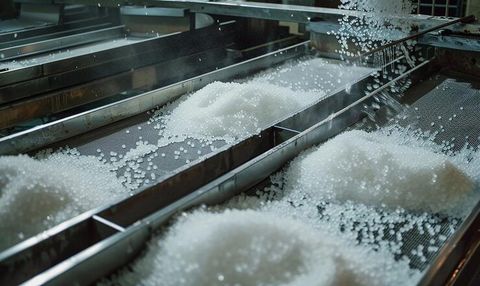
- Plastic pellets or other suitable feedstock enter the material hopper.
- The material moves through a heated barrel.
- Heat and mechanical movement prepare the material for injection.
- The injection unit pushes the material into the mold.
- The clamping unit keeps the mold closed during injection and cooling.
- The molded component is removed after sufficient cooling.
Different machine configurations are available for different production requirements. Hydraulic machines use hydraulic systems for major movements, while electric machines use electric drives and motors. Hybrid designs combine elements of both approaches.
The mold itself is a critical part of the process. It determines the final geometry, surface characteristics, dimensions, and many other properties of the molded component.
Importance – Why Injection Molding Matters
Injection molding machines play an important role because they can produce large quantities of repeatable plastic components. They are used across industries where consistent dimensions and controlled production processes are required.
Common applications include:
- Automotive components
- Electrical and electronic housings
- Medical and laboratory components
- Household products
- Packaging components
- Industrial equipment parts
- Consumer electronics
- Agricultural equipment components
The technology affects manufacturers, machine operators, mold designers, maintenance personnel, engineers, quality teams, and material specialists.
Production performance depends on several interconnected factors. These include material characteristics, mold design, machine capacity, temperature settings, injection pressure, cooling conditions, cycle time, and process monitoring.
| Machine Element | Main Function | Typical Consideration |
|---|---|---|
| Hopper | Feeds plastic material | Material flow and moisture |
| Barrel | Heats and transports material | Temperature control |
| Screw | Melts and moves material | Screw design and speed |
| Injection unit | Pushes material into mold | Pressure and injection speed |
| Clamping unit | Holds mold closed | Clamping force |
| Mold | Forms the component | Cavity design and cooling |
| Control system | Manages process settings | Sensors and automation |
Proper machine selection and process control can also influence material usage, product consistency, energy consumption, and production efficiency. For this reason, understanding the relationship between machine settings and final component quality is an important part of injection molding knowledge.
Recent Updates – Trends and Developments
Injection molding technology continues to develop through improvements in machine controls, automation, energy management, materials, and process monitoring.
One significant development is the increased use of electric and hybrid machine architectures. Electric systems can provide precise control over movement and process parameters, while hybrid systems combine different drive technologies for specific applications.
Automation is another important trend. Robotic systems can assist with part removal, inspection, material handling, and other repetitive activities. Sensors can collect information about temperature, pressure, position, and other operating conditions.
Digital monitoring is also becoming more common. Modern control platforms can record process information and help production teams identify changes in operating conditions.
Artificial intelligence and data analytics are being explored for applications such as:
- Detecting unusual process conditions
- Identifying patterns in production data
- Supporting quality monitoring
- Predicting maintenance requirements
- Improving process consistency
Material development is another area of interest. Recycled plastics, engineering polymers, bio-based materials, and material blends are being investigated for different applications. Their processing requirements can differ considerably from conventional materials, so machine and mold parameters may need adjustment.
Energy management has also received attention. Efficient heating systems, optimized drives, improved insulation, and process controls can help reduce energy consumption during operation.
Laws or Policies – Relevant Rules and Regulations
Injection molding facilities may need to follow several categories of regulations depending on their location, industry, materials, and workplace conditions. Requirements can cover machine safety, electrical systems, environmental management, worker protection, and waste handling.
In the United States, workplace requirements may involve the Occupational Safety and Health Administration (OSHA), particularly where machinery creates risks from moving parts, electrical equipment, heat, or stored energy.
International manufacturers may also refer to standards developed by organizations such as the International Organization for Standardization (ISO) and the International Electrotechnical Commission (IEC).
Important regulatory areas can include:
- Machine guarding
- Emergency stopping systems
- Electrical safety
- Lockout and energy-isolation procedures
- Workplace exposure controls
- Plastic waste management
- Chemical handling
- Noise and environmental requirements
In India, applicable requirements can depend on the state, industrial facility, equipment type, environmental conditions, and workplace regulations. Organizations should consult the relevant government authorities and current standards before establishing compliance procedures.
Regulations can change over time. Therefore, technical teams should verify current requirements through official regulatory sources rather than relying solely on older technical documents.
Tools and Resources – Learning Injection Molding
Several resources can help beginners and professionals develop a better understanding of injection molding machines.
Useful learning activities include:
- Studying machine manuals and technical documentation
- Learning basic polymer properties
- Reviewing mold design principles
- Understanding injection pressure and temperature
- Practicing process calculations
- Studying machine safety procedures
- Reviewing production-quality methods
A process worksheet can be useful for recording variables such as material type, barrel temperature, mold temperature, injection speed, holding pressure, cooling time, and cycle duration.
Basic calculations can also help learners understand machine requirements. For example, clamping-force calculations can relate projected part area and material processing conditions to the approximate force required to keep the mold closed.
Professional technical organizations, government regulators, equipment documentation, engineering textbooks, and educational institutions can provide additional information. When researching a particular machine, its technical manual should be treated as an important reference because operating ranges differ between machine models.
FAQs – Injection Molding Machines
What is an injection molding machine?
An injection molding machine is industrial equipment that heats plastic material and injects it into a mold cavity. After cooling, the material forms a component matching the mold geometry.
How does an injection molding machine work?
The machine feeds plastic into a heated barrel, prepares the material for injection, and pushes it into a closed mold. The material then cools, the mold opens, and the finished component is removed.
What industries use injection molding?
Injection molding is used in automotive, electronics, medical equipment, packaging, household products, industrial equipment, agriculture, and many other manufacturing fields.
What is the difference between hydraulic and electric machines?
Hydraulic machines use hydraulic systems to generate and control movement, while electric machines use electric motors and drives. Hybrid machines combine aspects of both technologies.
Why is mold design important?
Mold design determines the shape and many dimensional characteristics of the molded component. Cooling channels, gates, vents, cavity geometry, and material flow paths can all influence production results.
Conclusion – Key Injection Molding Insights
Injection molding machines are essential systems for producing repeatable plastic components across many industrial sectors. Their operation involves coordinated control of material preparation, injection, mold clamping, cooling, and part removal.
Recent developments include increased automation, electric drive technology, digital monitoring, improved energy management, and experimentation with new material types. Understanding these developments can help learners recognize how injection molding is changing within modern industrial production.
A basic knowledge of machine components and process stages provides a useful foundation for further study. Technical manuals, engineering references, safety standards, and regulatory information can help readers develop a more detailed understanding of the technology.
For industrial applications, process conditions should be established according to the machine, mold, material, component design, and applicable safety requirements. Regular technical review is also important because standards, materials, and production technologies continue to evolve.